
September 2, 2026
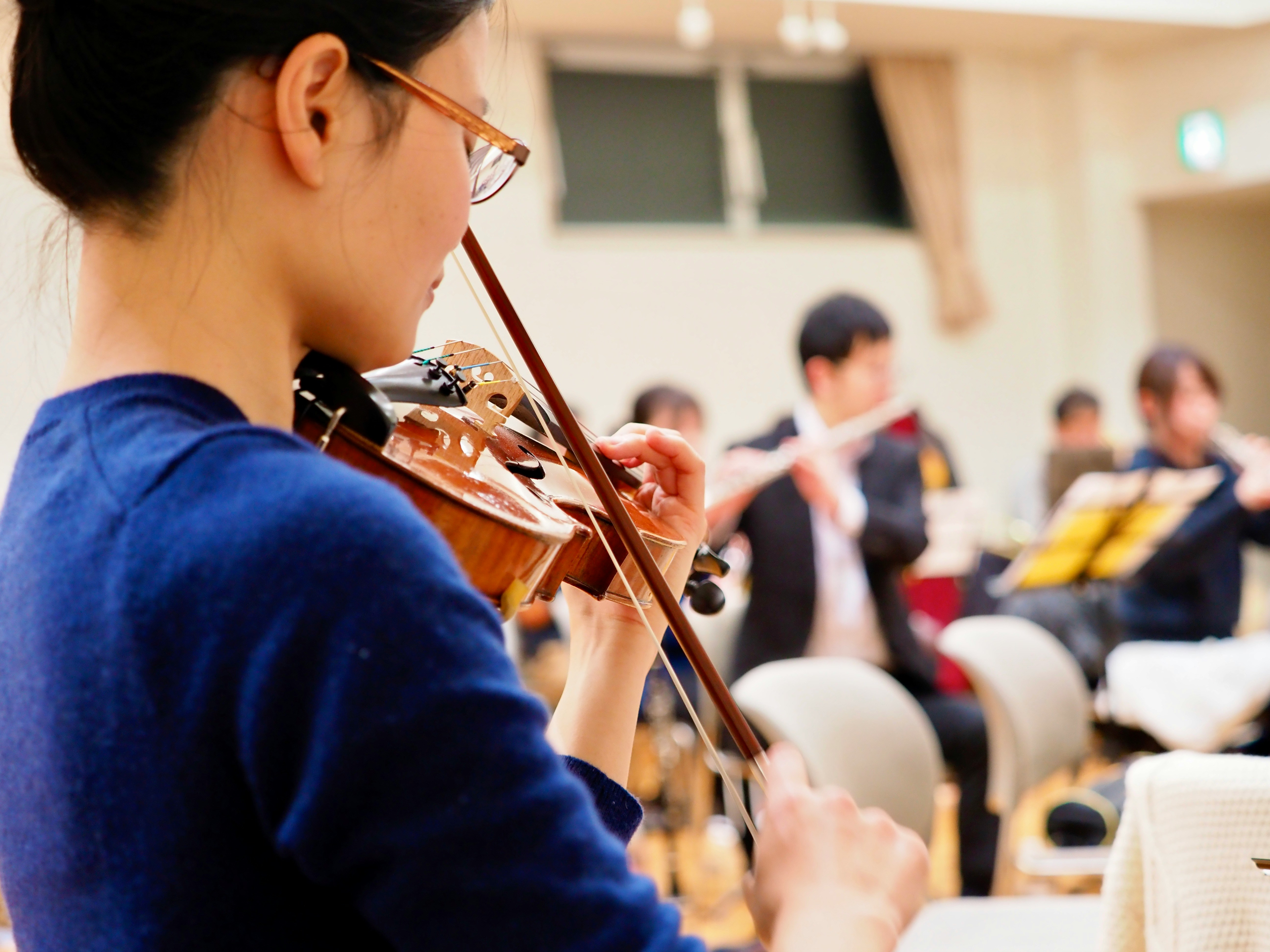
As Labor Day approaches, summer begins to wind down and families settle back into the rhythm of a new school year. New classes, new teachers, homework, activities, and changing schedules quickly become part of everyday life again.
It’s also a wonderful time to make music part of that routine.
Learning music gives students something unique alongside their academic education. When a student learns an instrument or develops their voice, they aren’t simply learning notes, rhythms, and songs. They’re also practicing patience, concentration, creativity, coordination, and confidence.
Music teaches students that progress doesn’t always happen immediately. Sometimes a new piece feels difficult. A rhythm might take several attempts to understand, or a student may need time before feeling comfortable performing in front of others. With practice, encouragement, and the right instruction, those challenges gradually become accomplishments.
That process can be especially meaningful during the school year. Students learn that making mistakes is part of learning and that consistent effort can lead to real progress.
At IOFMA, we recognize that every student learns differently. Some students may be picking up an instrument for the first time, while others are continuing a musical journey they’ve already started. The goal is to create an environment where students can learn at their own pace, develop their skills, and build confidence along the way.
With piano, guitar, ukulele, violin, drums, and voice lessons, students have opportunities to explore music in a way that matches their interests and goals. For one student, success might mean learning their first complete song. For another, it could be improving technique, preparing for a performance, or becoming more comfortable expressing themselves through music.
Music can also bring something important to an increasingly busy school schedule: a creative outlet.
Between classes, homework, sports, and other responsibilities, much of a student’s day can become structured around what needs to be completed next. Music gives them time to listen, create, experiment, and develop something that feels personal to them. A weekly lesson and consistent practice can become a positive part of their routine rather than simply another responsibility.
Parents don’t need to expect hours of practice every day for music education to be meaningful. Building a sustainable routine is often more valuable. Even shorter periods of focused, consistent practice can help students develop good habits and see their own improvement over time.
Labor Day arrives at a natural turning point in the year. Summer is coming to a close, school is underway, and families are deciding what they want the months ahead to look like.
For students who have been curious about learning an instrument or taking voice lessons, this can be the perfect opportunity to begin. For returning musicians, it’s a chance to set new goals, explore new music, and continue developing the skills they’ve already worked hard to build.
At the Institute of Musical Arts, we believe learning music should be an experience that encourages curiosity, creativity, confidence, and individual growth. Every student has their own starting point and their own musical journey.
As you build your family’s routine for the new school year, consider making room for music.
A new school year brings countless opportunities to learn, and some of the lessons students remember most may happen beyond the classroom.
Make music part of your school year with IOFMA.


